
High-Mileage Vehicle Care Guide — Keep Your Car Past 200,000 Miles
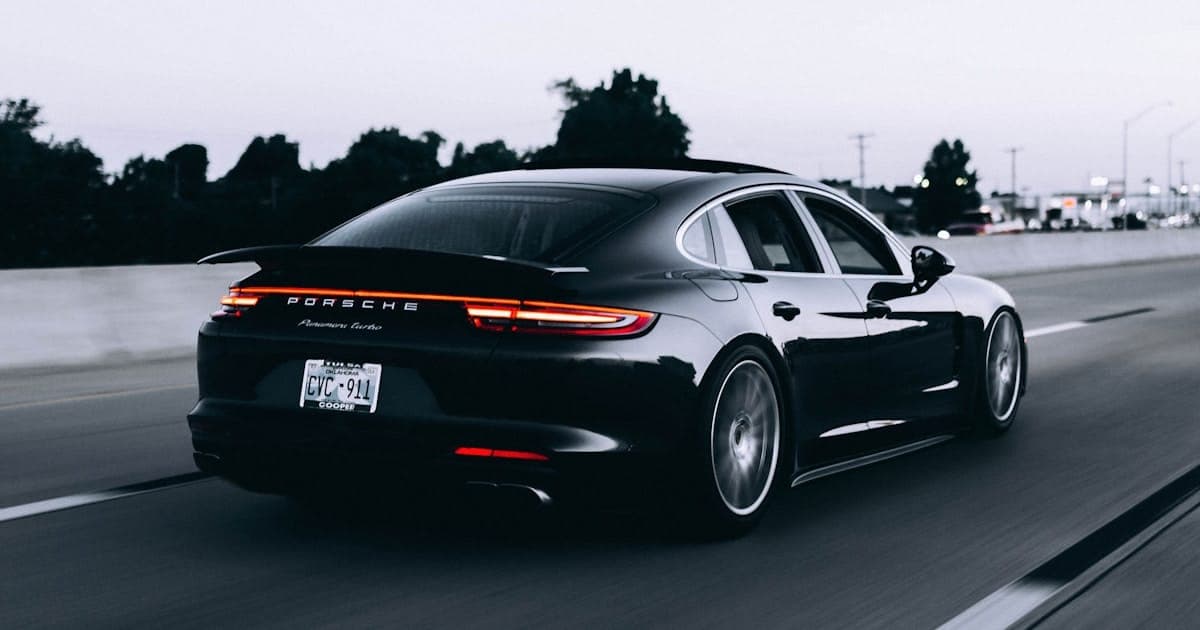
How Can I Keep My Car Running Past 200,000 Miles? To keep your car running past 200,000 miles, it’s essential to maintain a regular service schedule, use high-quality parts and fluids, and address any issues promptly. Regular maintenance, such as oil changes, fluid checks, and tire rotations, can significantly extend the life of your vehicle. […]
How Can I Keep My Car Running Past 200,000 Miles?
To keep your car running past 200,000 miles, it’s essential to maintain a regular service schedule, use high-quality parts and fluids, and address any issues promptly. Regular maintenance, such as oil changes, fluid checks, and tire rotations, can significantly extend the life of your vehicle. Additionally, being mindful of your driving habits and keeping your car clean can also contribute to its longevity.
Why Is Regular Maintenance Important for High-Mileage Vehicles?
Regular maintenance is crucial for high-mileage vehicles because it helps identify and fix small issues before they become major problems. Consistent care can prevent breakdowns and extend the life of your car, saving you money in the long run. Regular maintenance includes tasks like oil changes, filter replacements, and brake inspections.
What Are the Most Critical Fluids to Check and Replace in a High-Mileage Vehicle?
The most critical fluids to check and replace in a high-mileage vehicle are engine oil, transmission fluid, coolant, and brake fluid. These fluids play a vital role in the smooth operation and longevity of your car’s components.
How Often Should I Change the Engine Oil in a High-Mileage Vehicle?
For high-mileage vehicles, it’s generally recommended to change the engine oil every 3,000 to 5,000 miles, depending on the manufacturer’s recommendations and the type of oil used. Regular oil changes help remove contaminants and keep the engine lubricated, reducing wear and tear.
Why Is It Important to Check and Replace Transmission Fluid?
Transmission fluid is essential for the smooth operation of your vehicle’s transmission. Over time, this fluid can break down and become less effective, leading to poor shifting and potential transmission damage. Checking and replacing the transmission fluid at the intervals recommended by your vehicle’s manufacturer can help prevent these issues.
How Do I Know When to Replace Tires on a High-Mileage Vehicle?
Tires on a high-mileage vehicle should be replaced when the tread depth is less than 2/32 of an inch, or if there are signs of uneven wear, bulges, or cracks. Regularly checking your tires and rotating them every 5,000 to 7,000 miles can help extend their lifespan and ensure even wear.
What Are the Signs of Worn Tires?
Signs of worn tires include low tread depth, uneven wear, bulges, and cracks. These signs indicate that the tires are not providing adequate traction and could be a safety hazard.
How Often Should I Rotate My Tires?
It’s recommended to rotate your tires every 5,000 to 7,000 miles. This helps ensure even wear and extends the life of your tires, which is especially important for high-mileage vehicles.
What Are Some Tips for Maintaining the Exterior and Interior of a High-Mileage Vehicle?
Maintaining the exterior and interior of a high-mileage vehicle involves regular cleaning, protecting the paint, and keeping the interior free from debris. A well-maintained exterior and interior not only look better but also help preserve the value and condition of your car.
How Can I Protect the Paint on My High-Mileage Vehicle?
To protect the paint on your high-mileage vehicle, wash it regularly with a gentle car soap and dry it thoroughly. Apply a high-quality wax or sealant every few months to create a protective barrier against the elements and prevent rust and corrosion.
How Can I Keep the Interior of My High-Mileage Vehicle Clean and Well-Maintained?
To keep the interior of your high-mileage vehicle clean and well-maintained, vacuum the carpets and seats regularly, and wipe down the dashboard and other surfaces with a mild cleaner. Use a UV protectant on the dashboard, door panels, and other plastic surfaces to prevent fading and cracking.
How Can I Monitor the Health of My High-Mileage Vehicle?
Monitoring the health of your high-mileage vehicle involves paying attention to any unusual noises, vibrations, or warning lights. Regularly checking the vehicle’s systems, such as the brakes, suspension, and electrical components, can help you catch and address issues early.
| Component | Inspection Interval | Signs of Wear |
|---|---|---|
| Brakes | Every 10,000 miles | Squeaking, grinding, or spongy brake pedal |
| Suspension | Every 50,000 miles | Bouncing, uneven tire wear, or steering wheel vibration |
| Electrical Components | Every 30,000 miles | Flickering lights, dead battery, or malfunctioning accessories |
What Are Some Common Issues in High-Mileage Vehicles and How Can I Address Them?
Common issues in high-mileage vehicles include engine wear, transmission problems, and electrical system failures. Regular maintenance and prompt repairs can help mitigate these issues and keep your car running smoothly.
- Engine Wear: Regular oil changes and using high-quality oil can help reduce engine wear. If you notice decreased performance or increased oil consumption, have the engine inspected by a professional.
- Transmission Problems: Check and replace the transmission fluid as recommended by the manufacturer. If you experience shifting issues or strange noises, have the transmission checked by a certified technician.
- Electrical System Failures: Inspect the battery, alternator, and wiring regularly. If you notice flickering lights, a dead battery, or other electrical issues, have the system diagnosed and repaired.
How Can Raceway Pit Stop Help Me Maintain My High-Mileage Vehicle?
Raceway Pit Stop, located at 28085 Plymouth Rd, Livonia, MI 48150, United States, offers comprehensive services to help you maintain your high-mileage vehicle. Our ASE-certified technicians provide expert care, including regular maintenance, repairs, and diagnostic services. Whether you’re in Livonia, Westland, Garden City, Plymouth, or any of the surrounding areas, we are here to keep your car running smoothly past 200,000 miles.
Frequently Asked Questions
How often should I change the oil in my high-mileage vehicle?
For high-mileage vehicles, it’s generally recommended to change the engine oil every 3,000 to 5,000 miles, depending on the manufacturer’s recommendations and the type of oil used.
What are the signs that my high-mileage vehicle needs new tires?
Signs that your high-mileage vehicle needs new tires include low tread depth (less than 2/32 of an inch), uneven wear, bulges, and cracks. These signs indicate that the tires are not providing adequate traction and could be a safety hazard.
How can I protect the paint on my high-mileage vehicle?
To protect the paint on your high-mileage vehicle, wash it regularly with a gentle car soap and dry it thoroughly. Apply a high-quality wax or sealant every few months to create a protective barrier against the elements and prevent rust and corrosion.
What are some common issues in high-mileage vehicles?
Common issues in high-mileage vehicles include engine wear, transmission problems, and electrical system failures. Regular maintenance and prompt repairs can help mitigate these issues and keep your car running smoothly.
Related Articles from Raceway Pit Stop
- Oil Change Service in Livonia, MI — Fast, Affordable, Same Day
- Synthetic vs. Conventional Oil — Which Is Right for Your Car?
- What Is a Full Synthetic Oil Change and Do I Need One?
- How Often Should You Service Your Car? Complete Maintenance Schedule
- The Complete Car Maintenance Schedule Every Michigan Driver Needs
- What Happens If You Don’t Change Your Oil on Time?
Related Articles
What Does a Timing Belt Do and When Should It Be Replaced?
What Does a Timing Belt Do and When Should It Be Replaced? A timing belt, also known as a cambelt, synchronizes the rotation of the crankshaft and the camshaft(s) in your vehicle’s engine. This ensures that the valves open and close at the correct times during the intake and exhaust strokes. Regular replacement of the […]
Read Auto Repair TipsWhy Is My Car AC Blowing Hot Air?
Why Is My Car AC Blowing Hot Air? Your car’s air conditioning system may be blowing hot air due to a low refrigerant level, a malfunctioning compressor, or a faulty thermostat. Regular maintenance and timely repairs can help keep your AC system running smoothly. What Are the Common Causes of a Car AC Blowing Hot […]
Read Auto Repair TipsWhat Is Power Steering Fluid and When Should You Change It?
What Is Power Steering Fluid and When Should You Change It? Power steering fluid is a hydraulic fluid that helps to reduce the effort needed to turn the steering wheel in your vehicle. It lubricates the power steering system, prevents corrosion, and keeps the system running smoothly. It’s important to change the power steering fluid […]
Read