
What Does the Check Engine Light Really Mean?
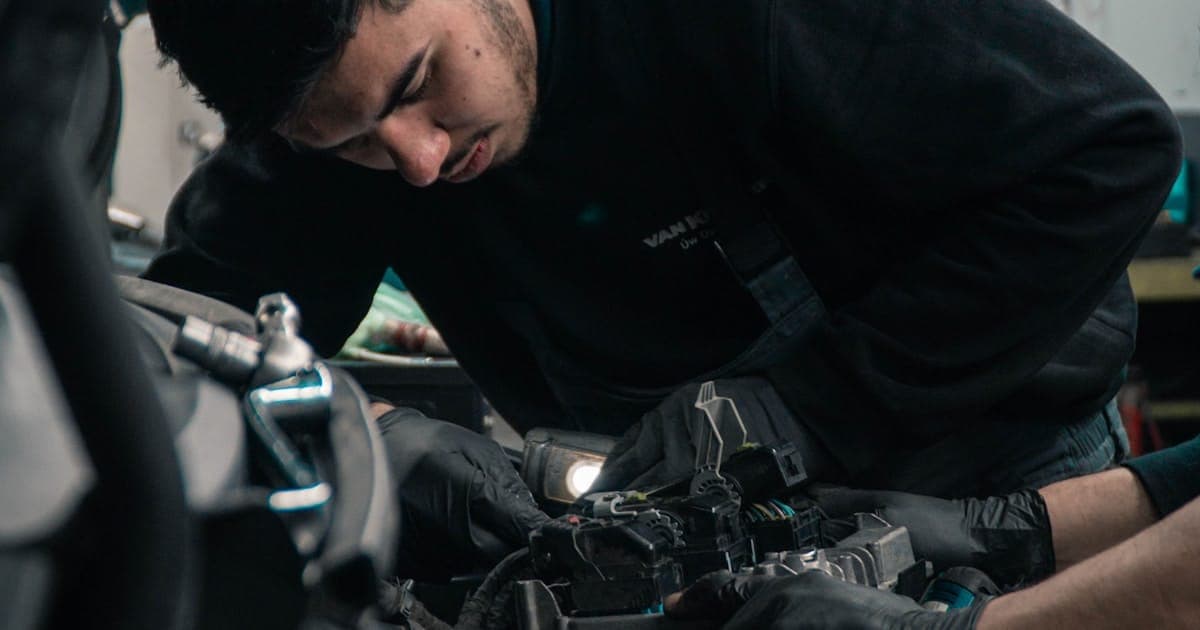
What Does the Check Engine Light Really Mean? The check engine light, also known as the malfunction indicator lamp (MIL), is a warning system that alerts you to potential issues with your vehicle’s engine, emissions system, or other components. When it illuminates, it indicates that your car’s onboard diagnostic system has detected a problem that […]
What Does the Check Engine Light Really Mean?
The check engine light, also known as the malfunction indicator lamp (MIL), is a warning system that alerts you to potential issues with your vehicle’s engine, emissions system, or other components. When it illuminates, it indicates that your car’s onboard diagnostic system has detected a problem that needs attention. Ignoring this light can lead to more serious and costly repairs, so it’s important to have your vehicle checked by a professional mechanic, such as the experts at Raceway Pit Stop in Livonia, MI.
Why Does the Check Engine Light Come On?
The check engine light can come on for a variety of reasons, ranging from minor issues like a loose gas cap to more serious problems like a failing catalytic converter. It’s essential to address the issue promptly to prevent further damage and ensure your vehicle runs efficiently.
What Are Common Causes of the Check Engine Light?
Some common causes of the check engine light include a faulty oxygen sensor, a loose or damaged gas cap, a malfunctioning catalytic converter, and issues with the mass airflow sensor. These problems can affect your vehicle’s performance and fuel efficiency, so it’s important to have them diagnosed and fixed as soon as possible.
| Issue | Symptoms | Potential Cost |
|---|---|---|
| Faulty Oxygen Sensor | Rough idling, poor fuel economy, failed emissions test | $100 – $300 |
| Loose/Damaged Gas Cap | Check engine light, fuel smell, reduced fuel economy | $10 – $30 |
| Malfunctioning Catalytic Converter | Reduced performance, dark exhaust smoke, strong odor | $500 – $1,500 |
| Mass Airflow Sensor Issue | Stalling, rough idling, poor acceleration | $100 – $300 |
How Can I Diagnose the Check Engine Light Myself?
While it’s always best to consult a professional, you can perform some basic checks yourself. First, check if the gas cap is loose or damaged. If the cap is secure, you may need an OBD-II scanner to read the diagnostic trouble codes (DTCs) stored in your vehicle’s computer. These codes can help identify the specific issue, but they may not pinpoint the exact cause, which is why a professional diagnosis is crucial.
What Should I Do If the Check Engine Light Comes On?
If the check engine light comes on, the first step is to check if the gas cap is loose or damaged. If the cap is secure, it’s advisable to schedule an appointment with a trusted auto repair shop. At Raceway Pit Stop, our ASE-certified technicians use advanced diagnostic tools to accurately identify and fix the issue, ensuring your vehicle runs smoothly and safely.
- Check the gas cap for any damage or looseness.
- Use an OBD-II scanner to read the DTCs if you have one.
- Bring your vehicle to Raceway Pit Stop at 28085 Plymouth Rd, Livonia, MI 48150, United States, for a thorough inspection and repair.
Can I Drive My Car with the Check Engine Light On?
Whether you can drive your car with the check engine light on depends on the severity of the issue. If the light is steady, you can generally continue driving, but it’s important to get it checked as soon as possible. If the light is blinking, it indicates a more serious problem, and you should avoid driving until the issue is resolved to prevent further damage.
Frequently Asked Questions
What does a steady check engine light mean?
A steady check engine light typically indicates a less urgent issue, but it still needs to be addressed. It could be something as simple as a loose gas cap or a more significant problem like a faulty oxygen sensor.
What does a blinking check engine light mean?
A blinking check engine light usually indicates a more serious and urgent problem, such as a misfire in the engine. It’s important to stop driving and have the vehicle inspected immediately to prevent further damage.
How much does it cost to diagnose a check engine light?
The cost to diagnose a check engine light can vary depending on the auto repair shop and the complexity of the issue. At Raceway Pit Stop, we offer competitive rates and transparent pricing to help you understand the costs involved.
Can a check engine light turn off by itself?
Yes, a check engine light can sometimes turn off by itself if the issue is temporary or minor, such as a loose gas cap. However, if the light remains on, it’s important to have the vehicle inspected to ensure there are no underlying issues.
Related Articles from Raceway Pit Stop
Related Articles
What Does a Timing Belt Do and When Should It Be Replaced?
What Does a Timing Belt Do and When Should It Be Replaced? A timing belt, also known as a cambelt, synchronizes the rotation of the crankshaft and the camshaft(s) in your vehicle’s engine. This ensures that the valves open and close at the correct times during the intake and exhaust strokes. Regular replacement of the […]
Read Auto Repair TipsWhy Is My Car AC Blowing Hot Air?
Why Is My Car AC Blowing Hot Air? Your car’s air conditioning system may be blowing hot air due to a low refrigerant level, a malfunctioning compressor, or a faulty thermostat. Regular maintenance and timely repairs can help keep your AC system running smoothly. What Are the Common Causes of a Car AC Blowing Hot […]
Read Auto Repair TipsWhat Is Power Steering Fluid and When Should You Change It?
What Is Power Steering Fluid and When Should You Change It? Power steering fluid is a hydraulic fluid that helps to reduce the effort needed to turn the steering wheel in your vehicle. It lubricates the power steering system, prevents corrosion, and keeps the system running smoothly. It’s important to change the power steering fluid […]
Read