
What Does It Mean When My Car Slips Out of Gear?
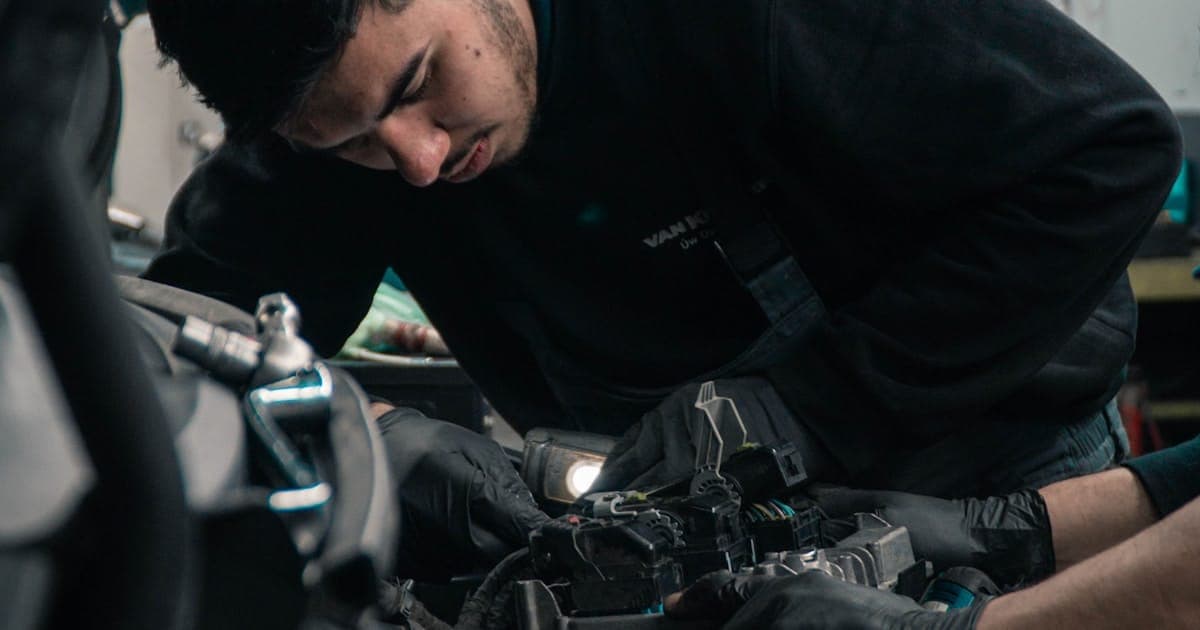
What Does It Mean When My Car Slips Out of Gear? When your car slips out of gear, it means that the transmission is not holding the selected gear and shifts to neutral or another gear unintentionally. This can be a serious safety issue, as it can cause loss of control and potential damage to […]
What Does It Mean When My Car Slips Out of Gear?
When your car slips out of gear, it means that the transmission is not holding the selected gear and shifts to neutral or another gear unintentionally. This can be a serious safety issue, as it can cause loss of control and potential damage to the vehicle. Common causes include worn gears, low transmission fluid, or a malfunctioning solenoid.
Why Is My Car Slipping Out of Gear?
There are several reasons why your car might be slipping out of gear. One of the most common is low or contaminated transmission fluid, which can lead to poor lubrication and increased wear on the transmission components. Low fluid levels can also cause the transmission to overheat, leading to further damage.
Another reason could be a faulty transmission solenoid, which controls the flow of hydraulic fluid in the transmission. If the solenoid is not functioning correctly, it can cause the gears to slip or shift erratically. A malfunctioning solenoid should be replaced as soon as possible to prevent more significant transmission issues.
Worn or damaged gears and clutch packs within the transmission can also cause slippage. Over time, these components can wear down, especially if the transmission has been subjected to high stress or has not been maintained properly. Regular maintenance and timely repairs can help prevent this type of damage.
How Can I Diagnose a Slipping Transmission at Home?
If you suspect that your car’s transmission is slipping, there are a few things you can check at home before bringing it to a professional. First, check the transmission fluid level and quality. The fluid should be clear and red; if it’s dark, smells burnt, or has particles, it may need to be changed. Checking the fluid is a simple but important step in diagnosing transmission issues.
Next, listen for any unusual noises when the car is in gear. A whining or grinding sound can indicate a problem with the transmission. Additionally, pay attention to how the car behaves while driving. If it feels like it’s not accelerating smoothly or is jerking, it could be a sign of a slipping transmission. These symptoms can help you narrow down the issue before seeking professional help.
What Are the Costs of Fixing a Slipping Transmission?
The cost of fixing a slipping transmission can vary depending on the specific issue and the make and model of your vehicle. Minor issues, such as low fluid or a faulty solenoid, can be relatively inexpensive to fix. However, more significant problems, such as worn gears or a complete transmission rebuild, can be much more costly. It’s important to get a professional diagnosis to determine the exact cause and the associated costs.
| Service | Description | Estimated Cost |
|---|---|---|
| Transmission Fluid Change | Draining and refilling the transmission with new fluid | $100 – $200 |
| Solenoid Replacement | Replacing a faulty transmission solenoid | $200 – $500 |
| Gear Repair | Repairing or replacing worn gears | $500 – $1,500 |
| Transmission Rebuild | Completely rebuilding the transmission | $2,000 – $5,000 |
How Can I Prevent My Car from Slipping Out of Gear?
To prevent your car from slipping out of gear, regular maintenance is key. This includes checking and changing the transmission fluid according to the manufacturer’s recommendations. Regular fluid changes can help keep the transmission running smoothly and prevent wear and tear.
Additionally, avoid overloading your vehicle, as this can put extra stress on the transmission. Be mindful of your driving habits, and try to avoid aggressive shifting and sudden acceleration, which can also cause excessive wear. Maintaining a smooth and steady driving style can help prolong the life of your transmission.
- Check and change the transmission fluid regularly
- Avoid overloading your vehicle
- Drive smoothly and avoid aggressive shifting
Frequently Asked Questions
Can I drive my car if the transmission is slipping?
It is not recommended to drive your car if the transmission is slipping, as it can cause further damage and potentially lead to a breakdown. It’s best to have it checked by a professional, like the experts at Raceway Pit Stop, as soon as possible.
How often should I change my transmission fluid?
The frequency of transmission fluid changes depends on the make and model of your vehicle. Generally, it is recommended to change the fluid every 30,000 to 60,000 miles. Always refer to your owner’s manual for specific recommendations.
What are the signs of a failing transmission?
Signs of a failing transmission include slipping out of gear, delayed shifting, unusual noises, and leaking fluid. If you notice any of these symptoms, it’s important to have your vehicle inspected by a professional in Livonia, Westland, Garden City, Plymouth, or nearby areas.
Is it safe to use a transmission additive to fix a slipping transmission?
Using a transmission additive can sometimes help with minor issues, but it is not a substitute for professional diagnosis and repair. If your transmission is slipping, it’s best to consult with a certified technician at Raceway Pit Stop to ensure the problem is properly addressed.
Related Articles from Raceway Pit Stop
- Transmission Repair Service in Livonia, MI
- How Do I Know If My Transmission Is Going Out?
- How Much Does Transmission Repair Cost in Michigan?
- Can a Transmission Be Repaired or Does It Need to Be Replaced?
- Engine Diagnostics and Repair in Livonia, MI
- Check Engine Light Diagnostic in Livonia, MI — Free Scan
Related Articles
What Does a Timing Belt Do and When Should It Be Replaced?
What Does a Timing Belt Do and When Should It Be Replaced? A timing belt, also known as a cambelt, synchronizes the rotation of the crankshaft and the camshaft(s) in your vehicle’s engine. This ensures that the valves open and close at the correct times during the intake and exhaust strokes. Regular replacement of the […]
Read Auto Repair TipsWhy Is My Car AC Blowing Hot Air?
Why Is My Car AC Blowing Hot Air? Your car’s air conditioning system may be blowing hot air due to a low refrigerant level, a malfunctioning compressor, or a faulty thermostat. Regular maintenance and timely repairs can help keep your AC system running smoothly. What Are the Common Causes of a Car AC Blowing Hot […]
Read Auto Repair TipsWhat Is Power Steering Fluid and When Should You Change It?
What Is Power Steering Fluid and When Should You Change It? Power steering fluid is a hydraulic fluid that helps to reduce the effort needed to turn the steering wheel in your vehicle. It lubricates the power steering system, prevents corrosion, and keeps the system running smoothly. It’s important to change the power steering fluid […]
Read