
What Is a Brake Flush and Do I Need One?
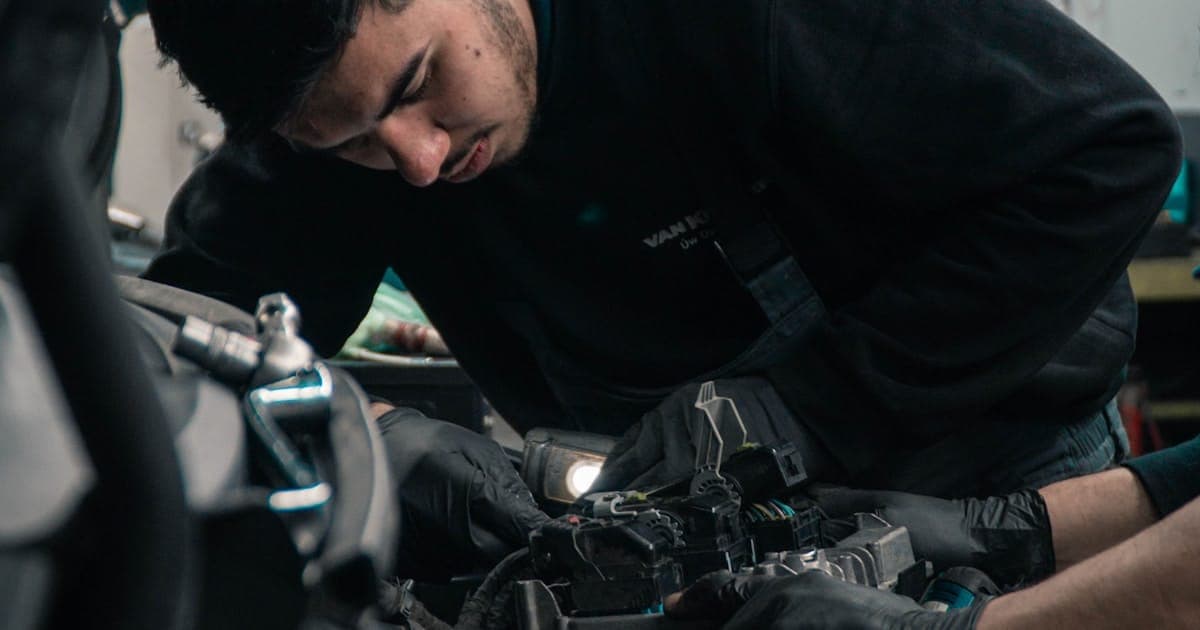
What Is a Brake Flush and Do I Need One? A brake flush is the process of removing old, contaminated brake fluid from your vehicle’s braking system and replacing it with fresh, clean fluid. This service is essential to maintain the effectiveness and safety of your brakes. If your brake fluid appears dark or if […]
What Is a Brake Flush and Do I Need One?
A brake flush is the process of removing old, contaminated brake fluid from your vehicle’s braking system and replacing it with fresh, clean fluid. This service is essential to maintain the effectiveness and safety of your brakes. If your brake fluid appears dark or if your brakes feel spongy, you may need a brake flush.
Why Is Brake Fluid Important?
Brake fluid is a hydraulic fluid that transfers force from the brake pedal to the brake calipers and drums. It helps to apply the necessary pressure to stop your vehicle. Over time, brake fluid can become contaminated with water, dirt, and other debris, which can reduce its effectiveness and potentially cause brake failure.
How Often Should I Get a Brake Flush?
The frequency of a brake flush depends on the make and model of your vehicle, as well as your driving conditions. Most manufacturers recommend a brake flush every 1-2 years or 30,000 miles, whichever comes first. However, it’s always best to consult your vehicle’s owner manual for specific recommendations.
What Are the Signs That I Need a Brake Flush?
There are several signs that indicate your vehicle may need a brake flush. These include:
- Soft or spongy brake pedal: If you notice that the brake pedal feels soft or goes to the floor, it could be a sign of air in the brake lines or contaminated brake fluid.
- Noisy brakes: Squealing, grinding, or other unusual noises when applying the brakes can indicate issues with the brake fluid or other components.
- Reduced braking performance: If your vehicle takes longer to stop than usual, it could be due to contaminated brake fluid.
How Is a Brake Flush Performed?
A brake flush involves several steps to ensure that all the old, contaminated brake fluid is removed and replaced with new, clean fluid. The process typically includes:
- Inspecting the brake system: Checking for leaks, damaged lines, and other issues.
- Draining the old brake fluid: Removing the contaminated fluid from the master cylinder and brake lines.
- Bleeding the brake lines: Removing air bubbles and contaminants from the brake lines by flushing them with new fluid.
- Filling the system with new brake fluid: Adding fresh, clean brake fluid to the master cylinder and ensuring it meets the manufacturer’s specifications.
How Much Does a Brake Flush Cost?
The cost of a brake flush can vary depending on the type of vehicle and the service provider. At Raceway Pit Stop, we offer competitive pricing and high-quality service to ensure your vehicle’s braking system is in top condition. On average, a brake flush can cost between $90 and $150, including labor and parts.
| Service | Description | Price Range |
|---|---|---|
| Brake Flush | Complete removal and replacement of brake fluid | $90 – $150 |
Can I Perform a Brake Flush Myself?
While it is possible to perform a brake flush yourself, it requires specialized tools and knowledge. It’s generally recommended to have a professional technician perform this service to ensure it is done correctly and safely. If you’re in Livonia, Westland, Garden City, Plymouth, or any of the surrounding areas, our ASE-certified technicians at Raceway Pit Stop, 28085 Plymouth Rd, Livonia, MI 48150, United States, can help you with a brake flush and other maintenance services. Call us at +1 734-744-9400 to schedule an appointment.
Frequently Asked Questions
What happens if I don’t get a brake flush?
Neglecting a brake flush can lead to reduced braking performance, increased stopping distances, and potential brake failure. It’s important to follow the manufacturer’s recommendations to keep your brakes in good working condition.
How long does a brake flush take?
A typical brake flush can take about 1-2 hours, depending on the complexity of your vehicle’s braking system and the number of bleed points.
Can I use any type of brake fluid for a brake flush?
No, it’s important to use the correct type of brake fluid specified by your vehicle’s manufacturer. Using the wrong type can damage your braking system. Always check your owner’s manual or consult a professional mechanic.
Is a brake flush the same as a brake bleed?
While similar, a brake flush involves completely removing and replacing all the brake fluid, whereas a brake bleed only removes air and some fluid from the brake lines. A full brake flush is more comprehensive and ensures the entire system is clean and free of contaminants.
Related Articles from Raceway Pit Stop
- Brake Repair and Replacement in Livonia, MI
- How Do I Know When My Brakes Need to Be Replaced?
- Brake Pads vs. Brake Rotors — What’s the Difference?
- Disc Brakes vs. Drum Brakes — What You Need to Know
- The Complete Car Maintenance Schedule Every Michigan Driver Needs
- Annual Vehicle Inspection in Livonia, MI
Related Articles
What Does a Timing Belt Do and When Should It Be Replaced?
What Does a Timing Belt Do and When Should It Be Replaced? A timing belt, also known as a cambelt, synchronizes the rotation of the crankshaft and the camshaft(s) in your vehicle’s engine. This ensures that the valves open and close at the correct times during the intake and exhaust strokes. Regular replacement of the […]
Read Auto Repair TipsWhy Is My Car AC Blowing Hot Air?
Why Is My Car AC Blowing Hot Air? Your car’s air conditioning system may be blowing hot air due to a low refrigerant level, a malfunctioning compressor, or a faulty thermostat. Regular maintenance and timely repairs can help keep your AC system running smoothly. What Are the Common Causes of a Car AC Blowing Hot […]
Read Auto Repair TipsWhat Is Power Steering Fluid and When Should You Change It?
What Is Power Steering Fluid and When Should You Change It? Power steering fluid is a hydraulic fluid that helps to reduce the effort needed to turn the steering wheel in your vehicle. It lubricates the power steering system, prevents corrosion, and keeps the system running smoothly. It’s important to change the power steering fluid […]
Read