
What Is Engine Sludge and How Do You Prevent It?
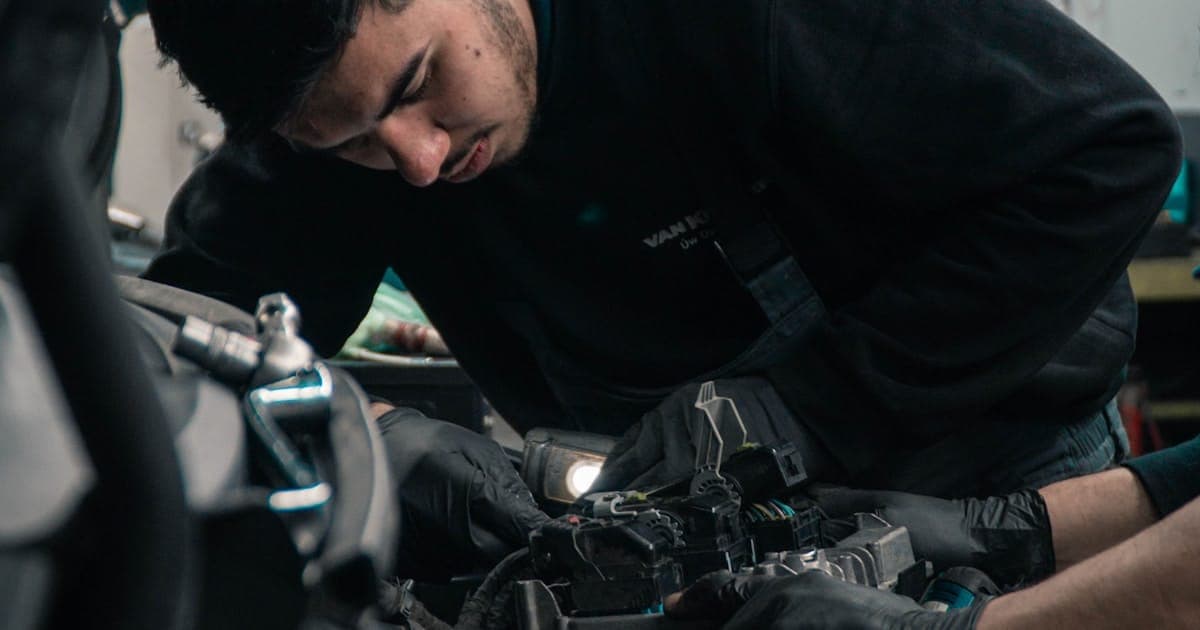
What Is Engine Sludge and How Do You Prevent It? Engine sludge is a thick, gel-like substance that forms in the engine when oil breaks down and mixes with dirt, metal particles, and other contaminants. This can lead to reduced engine performance and potential damage. Regular oil changes and using high-quality oil are key to […]
What Is Engine Sludge and How Do You Prevent It?
Engine sludge is a thick, gel-like substance that forms in the engine when oil breaks down and mixes with dirt, metal particles, and other contaminants. This can lead to reduced engine performance and potential damage. Regular oil changes and using high-quality oil are key to preventing engine sludge.
What Causes Engine Sludge to Form?
Engine sludge forms due to a combination of factors, including the breakdown of oil, exposure to high temperatures, and the accumulation of contaminants. Over time, these elements can thicken the oil, making it less effective at lubricating the engine.
How Does High Temperature Affect Oil Breakdown?
High temperatures can cause oil to break down more quickly, leading to the formation of sludge. When an engine runs hot, the oil degrades faster, losing its ability to lubricate effectively. Regularly checking and maintaining your engine’s cooling system can help prevent this issue.
What Are the Symptoms of Engine Sludge?
There are several signs that your engine may have sludge. These include decreased fuel efficiency, increased engine noise, and a check engine light. If you notice any of these symptoms, it’s important to have your vehicle inspected by a professional.
How Can You Prevent Engine Sludge?
Preventing engine sludge involves regular maintenance and using high-quality products. Here are some steps you can take:
- Regular Oil Changes: Follow the manufacturer’s recommended oil change intervals to ensure the oil remains clean and effective.
- Use High-Quality Oil: Choose oils that meet or exceed the specifications for your vehicle. Synthetic oils, in particular, are known for their superior resistance to breakdown.
- Maintain Coolant Levels: Keep your engine’s coolant at the recommended level to prevent overheating, which can accelerate oil breakdown.
Why Is Regular Maintenance Important?
Regular maintenance, such as oil changes and filter replacements, helps remove contaminants and keeps the oil fresh. This prevents the buildup of sludge and ensures your engine runs smoothly. At Raceway Pit Stop, our ASE-certified technicians in Livonia, MI, can help you with all your maintenance needs.
What Are the Consequences of Ignoring Engine Sludge?
If left untreated, engine sludge can lead to serious and costly issues. The sludge can clog oil passages, starve the engine of lubrication, and cause significant wear on internal components. This can result in reduced performance, higher fuel consumption, and even engine failure.
How Much Does It Cost to Fix Engine Sludge Damage?
The cost to fix engine sludge damage can vary widely depending on the extent of the problem. Minor issues might be resolved with a thorough cleaning and oil change, while major damage could require a complete engine rebuild. It’s always more cost-effective to prevent sludge formation through regular maintenance than to repair the damage it causes.
| Service | Description | Cost Range |
|---|---|---|
| Oil Change | Includes synthetic oil and filter replacement | $50 – $80 |
| Engine Cleaning | Thorough cleaning of the engine to remove sludge | $200 – $400 |
| Engine Rebuild | Complete disassembly and reconditioning of the engine | $2,000 – $5,000 |
When Should You Seek Professional Help?
If you suspect that your engine has sludge, it’s best to seek professional help. At Raceway Pit Stop, 28085 Plymouth Rd, Livonia, MI 48150, United States, our experienced technicians can diagnose and address the issue before it causes further damage. Contact us at +1 734-744-9400 to schedule an appointment.
What Services Do We Offer?
Raceway Pit Stop offers a wide range of services to keep your vehicle running smoothly. Our services include oil changes, engine cleaning, and comprehensive engine diagnostics. We serve customers in Livonia, Westland, Garden City, Plymouth, Northville, Canton, Dearborn, Redford, Inkster, Farmington Hills, and Novi.
Frequently Asked Questions
Can I Remove Engine Sludge Myself?
While minor sludge can sometimes be removed with a thorough oil change and engine cleaning, it’s generally best to consult a professional. They have the tools and expertise to ensure the job is done correctly.
How Often Should I Change My Oil to Prevent Sludge?
Follow the manufacturer’s recommendations, typically every 5,000 to 7,500 miles. However, if you frequently drive in harsh conditions, you may need to change your oil more often.
What Type of Oil Is Best for Preventing Sludge?
Synthetic oils are generally better at resisting breakdown and forming sludge. Always use an oil that meets or exceeds the specifications for your vehicle.
Is Engine Sludge Covered Under Warranty?
Engine sludge is often not covered under warranty if it results from neglect or improper maintenance. Regular oil changes and following the manufacturer’s guidelines can help maintain your warranty coverage.
Related Articles from Raceway Pit Stop
- Oil Change Service in Livonia, MI — Fast, Affordable, Same Day
- What Happens If You Don’t Change Your Oil on Time?
- How Often Should You Get an Oil Change? (2026 Guide)
- Synthetic vs. Conventional Oil — Which Is Right for Your Car?
- Engine Diagnostics and Repair in Livonia, MI
- High-Mileage Vehicle Care Guide — Keep Your Car Past 200,000 Miles
Related Articles
What Does a Timing Belt Do and When Should It Be Replaced?
What Does a Timing Belt Do and When Should It Be Replaced? A timing belt, also known as a cambelt, synchronizes the rotation of the crankshaft and the camshaft(s) in your vehicle’s engine. This ensures that the valves open and close at the correct times during the intake and exhaust strokes. Regular replacement of the […]
Read Auto Repair TipsWhy Is My Car AC Blowing Hot Air?
Why Is My Car AC Blowing Hot Air? Your car’s air conditioning system may be blowing hot air due to a low refrigerant level, a malfunctioning compressor, or a faulty thermostat. Regular maintenance and timely repairs can help keep your AC system running smoothly. What Are the Common Causes of a Car AC Blowing Hot […]
Read Auto Repair TipsWhat Is Power Steering Fluid and When Should You Change It?
What Is Power Steering Fluid and When Should You Change It? Power steering fluid is a hydraulic fluid that helps to reduce the effort needed to turn the steering wheel in your vehicle. It lubricates the power steering system, prevents corrosion, and keeps the system running smoothly. It’s important to change the power steering fluid […]
Read