
What Is an Engine Tune-Up and What Does It Include?
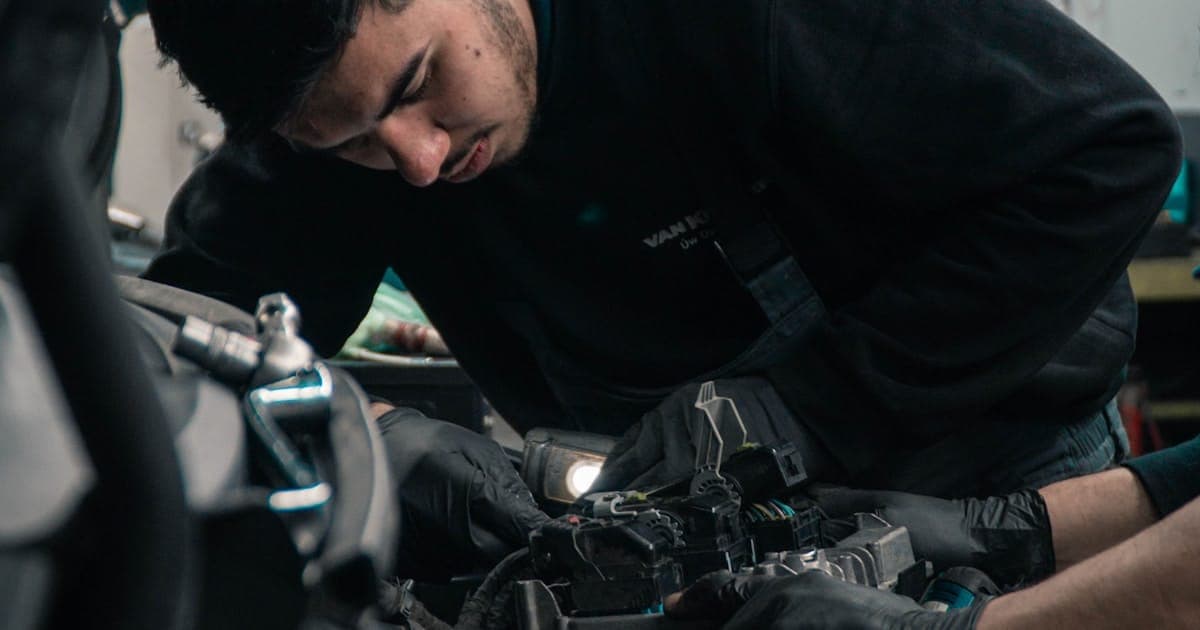
What Is an Engine Tune-Up and What Does It Include? An engine tune-up is a series of maintenance procedures performed to ensure that your vehicle’s engine runs smoothly and efficiently. It typically includes checking and replacing spark plugs, inspecting and adjusting the ignition system, and cleaning or replacing air filters. A comprehensive engine tune-up can […]
What Is an Engine Tune-Up and What Does It Include?
An engine tune-up is a series of maintenance procedures performed to ensure that your vehicle’s engine runs smoothly and efficiently. It typically includes checking and replacing spark plugs, inspecting and adjusting the ignition system, and cleaning or replacing air filters. A comprehensive engine tune-up can help improve fuel efficiency, reduce emissions, and extend the life of your car.
Why Is an Engine Tune-Up Important for Your Vehicle?
Regular engine tune-ups are crucial for maintaining the overall health and performance of your vehicle. They help prevent major issues by identifying and fixing minor problems before they become more serious. By keeping your engine in top condition, you can avoid costly repairs and ensure that your car runs smoothly and efficiently.
What Are the Key Components of an Engine Tune-Up?
During an engine tune-up, several key components are inspected and serviced to ensure optimal performance. These include:
- Spark Plugs: Replaced if worn out to ensure proper ignition.
- Air Filters: Cleaned or replaced to improve air intake and fuel efficiency.
- Fuel Filters: Inspected and replaced to prevent contaminants from entering the fuel system.
- Ignition System: Checked and adjusted to ensure reliable starting and smooth operation.
How Often Should You Get an Engine Tune-Up?
The frequency of engine tune-ups can vary depending on the make and model of your vehicle. Most manufacturers recommend getting a tune-up every 30,000 to 60,000 miles or every two to three years. However, it’s always best to consult your vehicle’s owner manual or speak with a professional mechanic at Raceway Pit Stop, 28085 Plymouth Rd, Livonia, MI 48150, United States, +1 734-744-9400, for specific recommendations.
What Are the Benefits of Getting an Engine Tune-Up?
There are several benefits to getting a regular engine tune-up. It can improve fuel efficiency, reduce emissions, and extend the life of your vehicle. Additionally, a well-maintained engine is less likelyome to break down, saving you from potential roadside emergencies and costly repairs.
Common Signs That Your Car Needs an Engine Tune-Up
There are several signs that may indicate your car is due for an engine tune-up. These include:
- Decreased Fuel Efficiency: If you notice that you’re filling up your tank more often than usual, it could be a sign that your engine isn’t running as efficiently as it should.
- Engine Misfires or Rough Idle: If your engine is sputtering, stalling, or idling roughly, it may need a tune-up to correct these issues.
- Difficulty Starting: If your car is having trouble starting, it could be a sign of a failing ignition system, which can be addressed during a tune-up.
- Increase in Emissions: If your car fails an emissions test, it may be time for a tune-up to reduce harmful emissions.
Engine Tune-Up Services and Prices at Raceway Pit Stop
Raceway Pit Stop offers a range of engine tune-up services to keep your vehicle running smoothly. Here is a breakdown of our services and prices:
| Service | Description | Price |
|---|---|---|
| Basic Tune-Up | Includes spark plug replacement, air filter cleaning, and ignition system inspection. | $99 |
| Advanced Tune-Up | Adds fuel filter replacement and throttle body cleaning to the basic package. | $149 |
| Premium Tune-Up | Comprehensive service including all basic and advanced services, plus a full diagnostic check. | $199 |
How to Schedule an Engine Tune-Up at Raceway Pit Stop
Scheduling an engine tune-up at Raceway Pit Stop is easy. You can call us at +1 734-744-9400 or visit us at 28085 Plymouth Rd, Livonia, MI 48150, United States, to set up an appointment. Our ASE-certified technicians will provide you with top-notch service and ensure that your vehicle is running at its best.
Frequently Asked Questions
How often should I get an engine tune-up?
Most manufacturers recommend getting an engine tune-up every 30,000 to 60,000 miles or every two to three years. Always check your vehicle’s owner manual for specific recommendations.
What are the signs that my car needs an engine tune-up?
Signs that your car may need a tune-up include decreased fuel efficiency, engine misfires or rough idle, difficulty starting, and an increase in emissions.
What does a basic engine tune-up include?
A basic engine tune-up typically includes spark plug replacement, air filter cleaning, and ignition system inspection.
How much does an engine tune-up cost at Raceway Pit Stop?
At Raceway Pit Stop, our engine tune-up services range from $99 for a basic tune-up to $199 for a premium, comprehensive service.
Related Articles from Raceway Pit Stop
Related Articles
What Does a Timing Belt Do and When Should It Be Replaced?
What Does a Timing Belt Do and When Should It Be Replaced? A timing belt, also known as a cambelt, synchronizes the rotation of the crankshaft and the camshaft(s) in your vehicle’s engine. This ensures that the valves open and close at the correct times during the intake and exhaust strokes. Regular replacement of the […]
Read Auto Repair TipsWhy Is My Car AC Blowing Hot Air?
Why Is My Car AC Blowing Hot Air? Your car’s air conditioning system may be blowing hot air due to a low refrigerant level, a malfunctioning compressor, or a faulty thermostat. Regular maintenance and timely repairs can help keep your AC system running smoothly. What Are the Common Causes of a Car AC Blowing Hot […]
Read Auto Repair TipsWhat Is Power Steering Fluid and When Should You Change It?
What Is Power Steering Fluid and When Should You Change It? Power steering fluid is a hydraulic fluid that helps to reduce the effort needed to turn the steering wheel in your vehicle. It lubricates the power steering system, prevents corrosion, and keeps the system running smoothly. It’s important to change the power steering fluid […]
Read