
Why Are My Brakes Squeaking? 5 Common Causes
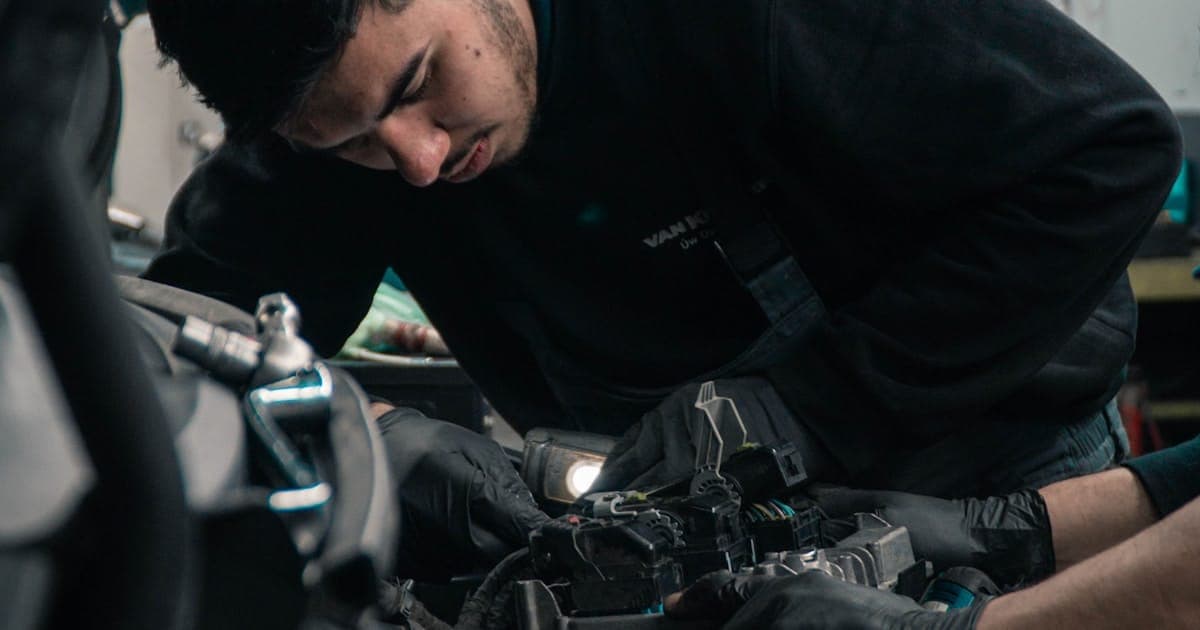
Why Are My Brakes Squeaking? 5 Common Causes Brake squeaking can be caused by worn brake pads, dust or debris on the brake components, a thin layer of rust on the rotors, or issues with the brake hardware. It’s also possible that the brake pads are not properly seated, leading to vibrations and noise. Regular […]
Why Are My Brakes Squeaking? 5 Common Causes
Brake squeaking can be caused by worn brake pads, dust or debris on the brake components, a thin layer of rust on the rotors, or issues with the brake hardware. It’s also possible that the brake pads are not properly seated, leading to vibrations and noise. Regular maintenance and inspection by a professional at Raceway Pit Stop in Livonia, MI, can help identify and resolve these issues.
What Are the Most Common Reasons for Brake Squeaks?
Worn brake pads are the most common cause of brake squeaking. When the friction material on the pads wears down, it can create a high-pitched squeal as metal comes into contact with metal. This is a sign that your brakes need immediate attention.
Dust and debris on the brake components can also cause squeaking. Over time, dirt, road salt, and other contaminants can build up on the rotors and pads, leading to noise when the brakes are applied.
A thin layer of rust on the rotors can also cause squeaking. This is more common in areas like Livonia, Westland, and Garden City, where there is more exposure to moisture and de-icing salts.
How Can I Tell If My Brake Pads Need Replacing?
One of the most obvious signs that your brake pads need replacing is a loud, high-pitched squeal when you apply the brakes. This sound is often designed to alert you that the pads are wearing thin and need to be replaced. Additionally, if you notice that your vehicle takes longer to stop or if the brake pedal feels spongy, it’s a good indication that your brake pads are worn out.
Another sign is if you see a warning light on your dashboard indicating a problem with the braking system. This could mean that the brake sensors have detected excessive wear or another issue.
Can Debris on the Brake Components Cause Squeaking?
Yes, debris on the brake components can definitely cause squeaking. Dust, dirt, and other small particles can get trapped between the brake pad and rotor, causing a grinding or squeaking noise. This is especially common in areas like Plymouth and Northville, where road conditions can be harsher.
To prevent this, it’s important to clean the brake components regularly. A professional at Raceway Pit Stop, located at 28085 Plymouth Rd, Livonia, MI 48150, can inspect and clean your brakes to ensure they are free from debris and functioning properly.
Is Rust on the Rotors a Cause for Concern?
Rust on the rotors can indeed cause squeaking and other noises. When the rotors are exposed to moisture and de-icing salts, a thin layer of rust can form. This rust can create an uneven surface, leading to noise and reduced braking performance.
If you notice a squeaking noise and suspect rust, it’s best to have your rotors inspected. In Canton and Dearborn, where de-icing salts are commonly used, this is a frequent issue. A technician at Raceway Pit Stop can determine if the rotors need to be cleaned, resurfaced, or replaced.
How Do Issues with Brake Hardware Contribute to Squeaking?
Issues with brake hardware, such as worn or loose caliper slides, can contribute to squeaking. The caliper slides allow the brake calipers to move smoothly and apply even pressure to the brake pads. If these slides are worn or loose, the calipers may not move correctly, leading to uneven wear and noise.
Additionally, if the brake hardware, such as the clips and shims, are not properly installed, it can cause the brake pads to vibrate and squeak. A professional at Raceway Pit Stop can inspect and replace any worn or damaged hardware to ensure your brakes are functioning correctly.
| Service | Description | Price |
|---|---|---|
| Brake Inspection | Comprehensive check of all brake components | $99 |
| Brake Pad Replacement | Installation of new brake pads | $150 – $300 |
| Brake Rotor Resurfacing | Resurface or replace worn rotors | $100 – $200 per axle |
| Brake Fluid Flush | Replace old brake fluid with new fluid | $120 |
Steps to Prevent Brake Squeaking
- Regularly clean the brake components to remove dust and debris.
- Inspect and replace worn brake pads and rotors as needed.
- Check and maintain the brake hardware, including caliper slides and shims.
- Have your brakes inspected by a professional at Raceway Pit Stop, +1 734-744-9400, every 6,000 miles or as recommended by your vehicle’s manufacturer.
Frequently Asked Questions
How often should I have my brakes inspected?
It is generally recommended to have your brakes inspected every 6,000 miles or as specified by your vehicle’s manufacturer. Regular inspections can help catch issues early and prevent more serious problems.
What should I do if I hear a squeaking noise when I brake?
If you hear a squeaking noise when you brake, it’s important to have your brakes inspected as soon as possible. This noise can be a sign of worn brake pads, debris, or other issues that need to be addressed.
Can I replace my brake pads myself?
While it is possible to replace brake pads yourself, it is recommended to have a professional do it to ensure proper installation and avoid potential safety risks. Our technicians at Raceway Pit Stop can handle the job efficiently and safely.
Are there different types of brake pads, and which one is best for my car?
Yes, there are different types of brake pads, including organic, semi-metallic, and ceramic. The best type for your car depends on your driving habits and the manufacturer’s recommendations. Our experts at Raceway Pit Stop can help you choose the right type for your vehicle.
Related Articles from Raceway Pit Stop
Related Articles
What Does a Timing Belt Do and When Should It Be Replaced?
What Does a Timing Belt Do and When Should It Be Replaced? A timing belt, also known as a cambelt, synchronizes the rotation of the crankshaft and the camshaft(s) in your vehicle’s engine. This ensures that the valves open and close at the correct times during the intake and exhaust strokes. Regular replacement of the […]
Read Auto Repair TipsWhy Is My Car AC Blowing Hot Air?
Why Is My Car AC Blowing Hot Air? Your car’s air conditioning system may be blowing hot air due to a low refrigerant level, a malfunctioning compressor, or a faulty thermostat. Regular maintenance and timely repairs can help keep your AC system running smoothly. What Are the Common Causes of a Car AC Blowing Hot […]
Read Auto Repair TipsWhat Is Power Steering Fluid and When Should You Change It?
What Is Power Steering Fluid and When Should You Change It? Power steering fluid is a hydraulic fluid that helps to reduce the effort needed to turn the steering wheel in your vehicle. It lubricates the power steering system, prevents corrosion, and keeps the system running smoothly. It’s important to change the power steering fluid […]
Read